
Welcome to Thinq Blog!

Notes on markets, IPOs, results, and everything else worth diving into.

Topics
Loss Autopsy #2 7 MIN5 Oct 2026

Policybazaar: Caught in the IRDAI Crossfire?

On 23 September the IRDAI published an 80-page consultation paper on how insurance gets sold.

The next day Policybazaar lost about ₹31,000 crore on the market. Almost nothing in those eighty pages says the business is bad. What it does say is that prior reforms have not achieved their objectives for the wider industry.

We agree, but we also believe that Policybazaar will survive this storm - question is what it'll have to become to do so?


Trading Mechanics #2 7 MIN5 Oct 2026

SLBM: India's Rental Market, But No Letting Agent

Rent out shares you already own. That is the pitch, and it has been legal in India since 2008. And yet, almost nobody takes it.

The standard, misdirected, explanation is that our rules are broken. But we went deeper than that. It could be that SLBM doesn't work in India because we already have a better substitute.

And because the regulators may have some PTSD from the Badla system.

Market News #1 7 MIN5 Oct 2026

IPOs: Just a Dopamine Rush?

India’s IPO boom is pulling millions toward the market. 23.15 crore demat accounts -> 13.1 crore unique investors -> 4.57 crore active clients.

IPO wins can encourage more investing, but the effect may resemble a dopamine hit. Despite a record 109 mainboard IPOs in FY26, NSE lost 35 lakh active clients.

So IPO brings people through the door, but how many stick around when the dust settles?

Company of the Week #1 9 MIN15 Sep 2026

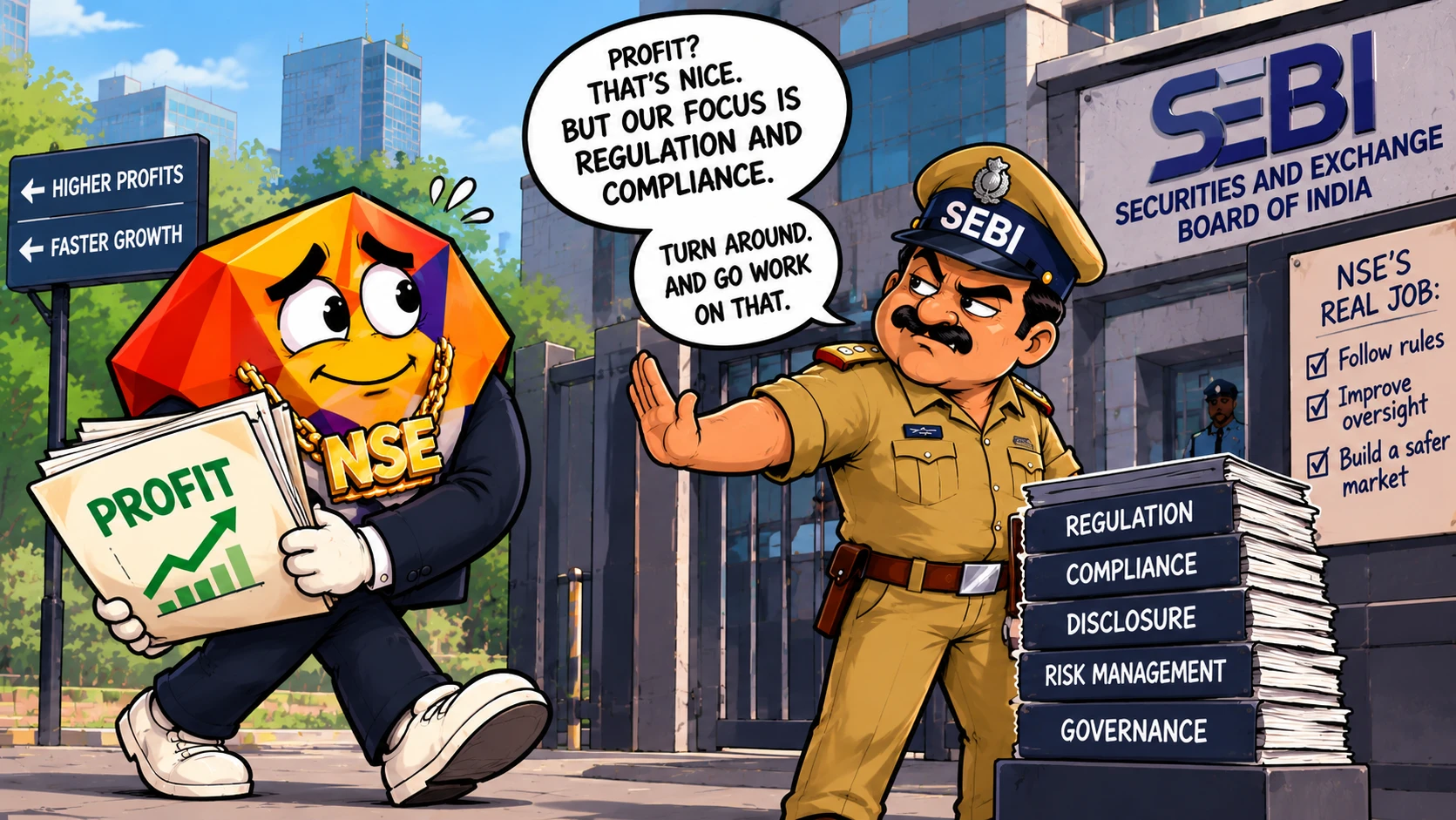
NSE IPO Analysis: The Monopoly That Isn't Allowed to Compete

The moat is real. So is the muzzle. NSE owns 93% of India's cash market and is legally barred from behaving like it.

While the business is solid, that bargain only works as long as the regulator's interests and those of shareholders point the same way.

How long that will be the case is an open question. But if it does - NSE's moat could be one of the most durable in the Indian markets.

Read the post → Updated on 5 Oct 2026
Company of the Week #2 5 MIN16 Sep 2026

Rentomojo IPO Analysis: The Story of Depreciating a Ten-Year Sofa

Rentomojo looks like a platform. It is actually a leasing book.

Every sofa, fridge and mattress it rents sits on its own balance sheet, and how long each one is assumed to last decides what the company is allowed to report as profit.

Stretch the assumed life of a sofa from five years to eight and nothing changes in the warehouse — but the P&L gets better overnight.

Rentomojo did that twice. So, who decides how long a sofa lasts?

Company of the Week #3 4 MIN17 Sep 2026

Dabur India: Is the Negative Sentiment Confirming the Technical Structure?

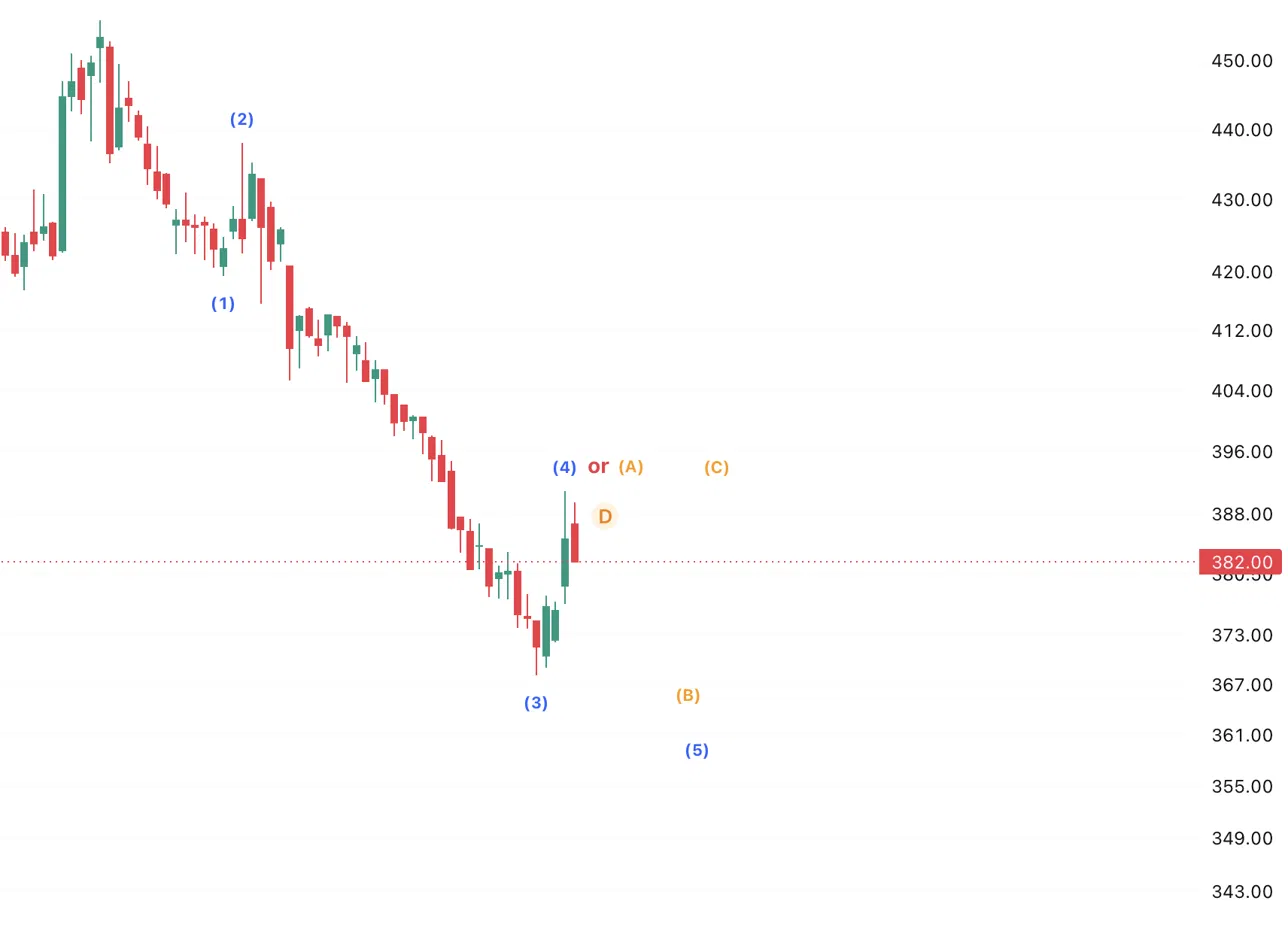
Dabur has travelled from the ₹490 region to around ₹370 this year, and the quarter it printed along the way was a good one.

Dabur's bounce may be corrective, keeping the risk of another leg lower alive. ₹370 remains the key level to watch; a break could signal further downside.

A move above the Wave (1) low would invalidate this bearish structure. Is Dabur more likely to extend the decline than sustain the current bounce?

Trading Mechanics #1 4 MIN16 Sep 2026

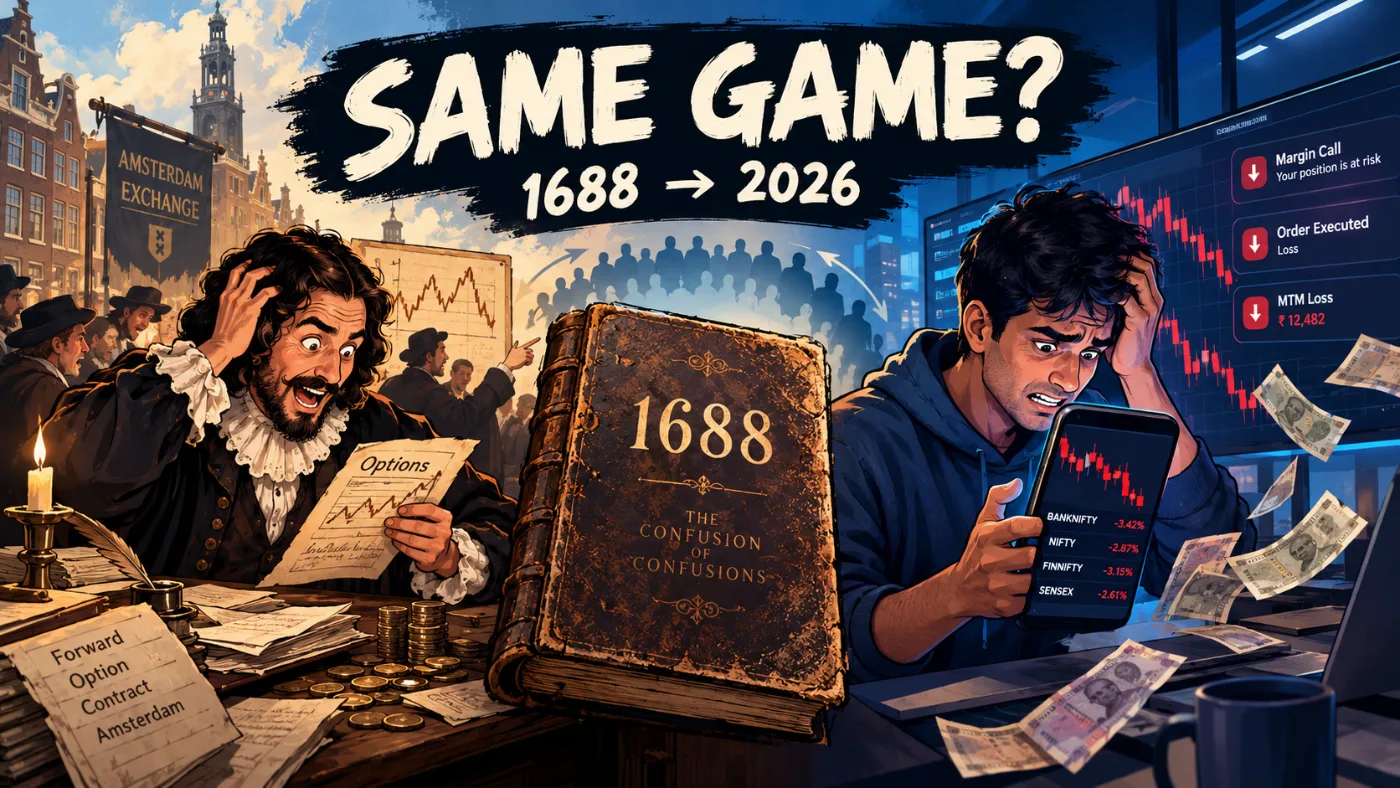
9 in 10 individual F&O traders still lose money. Amsterdam wrote the same story down in 1688.

About ₹244 crore a day, every trading day, for three years. That is SEBI's FY22–24 aggregate divided by the NSE calendar, and the daily rate nearly doubled along the way.

In FY26, SEBI published that individuals' gross trading loss was about ₹72,000 crore, and the five categories that made money booked about ₹72,000 crore between them. Before costs those are the same number.

The behaviour behind it was described in print in 1688.

Read the post → Updated on 5 Oct 2026
Loss Autopsy #1 5 MIN15 Sep 2026

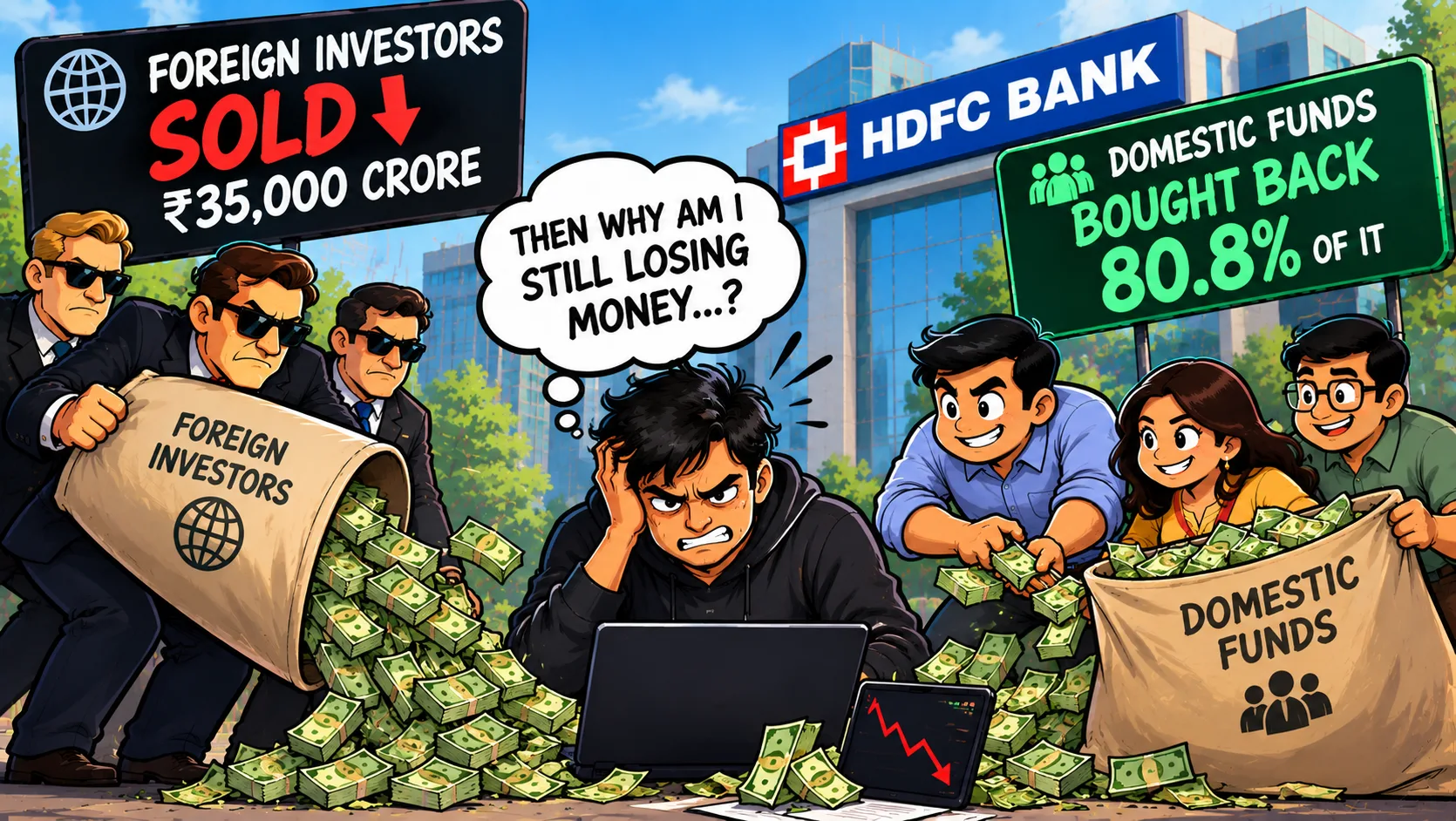
HDFC Bank: foreign investors sold 48 crore shares in one quarter. Domestic funds bought four-fifths of them.

The sell-down is real. So is the bid that met it. Foreign portfolio holding has now fallen for four consecutive quarters, to 41.83% in June 2026.

In the March quarter, when the stock fell 26.2%, domestic mutual funds absorbed about four-fifths of what foreign investors sold. That is a rotation of the shareholder base, not a uniform reduction in ownership — and it has continued through a chairman’s resignation, a board penalty on the chief executive, and the start of a search for his successor.